








By Joanne Van Voorhis
The IEEE Geoscience and Remote Sensing Society (GRSS) marks its 65th anniversary in 2026. This month, we continue our 12-part series by examining how developments between 1986 and 1991 consolidated the organizational foundations established in the previous decade. During this period, GRSS strengthened its publications, expanded participation across international regions, and refined its conference and governance structures, creating the institutional stability that supported its continued growth into the 1990s.
Part VII – Expansion, Modernization, and Global Reach (1986-1991)
By the mid-1980s, the IEEE Geoscience and Remote Sensing Society (GRSS) had completed its transition from a developing technical group within IEEE into a stable, internationally engaged professional society. The rapid expansion that characterized earlier decades had begun to level into a period in which the Society focused on strengthening its core activities, maintaining technical excellence, and supporting the growing global community of researchers and practitioners in geoscience and remote sensing.
The years from 1986 to 1991 did not introduce abrupt structural changes to the Society. Instead, it reflected the maturation of earlier developments: a stable and widely respected journal, a well-established annual symposium, and an increasingly international membership base. Under the leadership of Society Presidents David A. Landgrebe (1986-1987), R. Keith Raney (1988-1989), and John Reagan (1990-1991), GRSS consolidated its organizational foundation while continuing to broaden participation across academia, government laboratories, and industry worldwide.
Landgrebe, of Purdue University, was internationally recognized for his contributions to multispectral remote sensing, statistical pattern recognition, and the quantitative analysis of Earth observation data. Raney, then with the Canada Centre for Remote Sensing, became the first Canadian President of GRSS, reflecting the increasingly international leadership of the Society. His technical contributions in synthetic aperture radar were widely recognized within the remote sensing community. Reagan’s presidency continued this period of steady leadership continuity, ensuring stability as the Society moved toward the 1990s.

Strengthening of Publications and the Role of TGRS
The IEEE Transactions on Geoscience and Remote Sensing (TGRS) remained the central technical and archival publication of GRSS during this period. Following its expansion to a bimonthly publication schedule in 1984, the journal continued to grow steadily in both submission volume and technical breadth between 1986 and 1991.
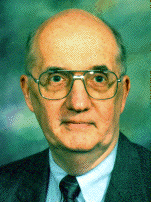
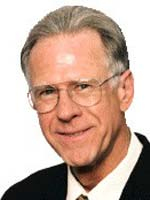
Editorial leadership transitioned from Fawwaz T. Ulaby to Richard J. Doviak, maintaining continuity while supporting the journal’s expanding scope. The publication continued to cover a wide range of topics, including microwave remote sensing, radar systems, radiometric measurements, image processing, electromagnetic scattering theory, atmospheric sensing, oceanography, hydrology, agriculture, and geological applications.
A notable development during this period was the increasing emphasis on quantitative analysis in remote sensing research. As satellite systems provided more consistent observations of the Earth, research published in TGRS increasingly focused on calibration techniques, retrieval algorithms, radiative transfer modeling, electromagnetic simulation, and digital image analysis. These developments reflected the broader evolution of remote sensing from primarily descriptive interpretation toward quantitative Earth system science.
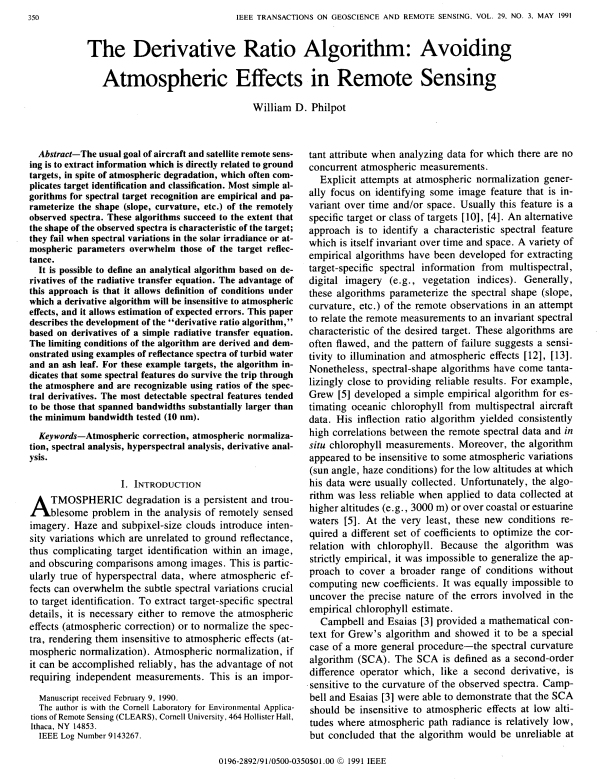
A good example is the article “The Derivative Ratio Algorithm: Avoiding Atmospheric Effects in Remote Sensing,” by William Philpot, which appeared in the June 1991 issue of TGRS. The author describes the development of the derivative ratio algorithm based on derivatives of a simple radiative transfer equation. The paper developed a quantitative method for reducing atmospheric effects in remotely sensed imagery, illustrating the increasing emphasis on physically based analytical techniques during this period.
International participation in the journal also continued to expand. Contributions from Europe, Canada, Japan, Australia, and other regions increased steadily, reflecting both the globalization of the field and the expanding international membership of GRSS. By the early 1990s, TGRS had firmly established itself as one of the principal archival journals serving the global remote sensing community.
IGARSS Expands in Scale and Technical Breadth
Having already achieved international status during the early 1980s, the International Geoscience and Remote Sensing Symposium (IGARSS) entered a period of expansion and consolidation between 1986 and 1991. The focus of the symposium shifted from establishing its international viability toward managing increasing participation and accommodating the growing technical complexity of the field.
During this period, IGARSS was held in Zurich, Switzerland (1986); Ann Arbor, Michigan, US (1987); Edinburgh, Scotland (1988); Vancouver, Canada (1989); College Park, Maryland, US (1990); and Helsinki, Finland (1991). These meetings reflected both geographic diversity and the increasing integration of remote sensing research communities worldwide.
The technical program of IGARSS expanded significantly during these years. Sessions increasingly included synthetic aperture radar, microwave radiometry, optical remote sensing, atmospheric remote sensing, oceanographic applications, image analysis and classification, electromagnetic modeling, geophysical inversion techniques, and environmental monitoring applications. The symposium also increasingly included tutorials, panel discussions, commercial exhibits, and student participation, reflecting its growing scale and complexity.
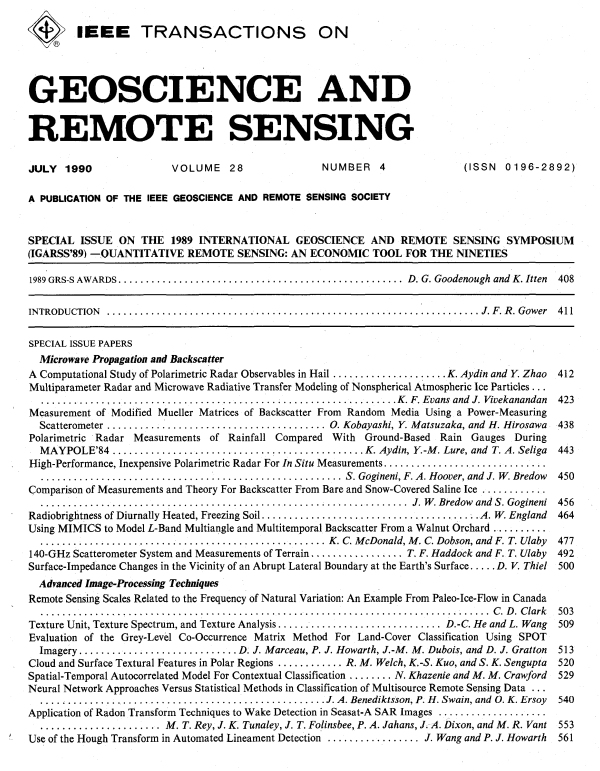
One of the most significant indicators of growth occurred in 1989 in Vancouver, where attendance exceeded 1,000 participants. This marked a clear milestone in the development of IGARSS as a large-scale international technical conference and reflected the increasing global engagement of the remote sensing community within GRSS activities. TRGS published a special 300+ page issue In July 1990 on IGARSS’89, entitled “Quantitative Remote Sensing: An Economic Tool for the Nineties.” Articles included topics related to Microwave Propagation and Backscatter, Advanced Image Processing Techniques, SAR Instruments and Data Processing, and Image Applications and Data Management.
Expanding International Community and Volunteer Infrastructure
During the period from 1986 to 1991, GRSS continued to strengthen its international presence through steady expansion of its Chapter activities and volunteer structure. While the Society had already become internationally engaged in earlier years, this period reflected the consolidation of that global participation into a more stable and sustained organizational framework.
Chapters outside the United States became increasingly active in organizing technical meetings and supporting regional engagement with geoscience and remote sensing topics. These activities played an important role in extending the Society’s reach beyond its traditional North American base and in reinforcing the international character of its membership.
Volunteer participation remained central to the functioning of GRSS. Members contributed to conference organization, editorial review for TGRS, technical committees, and Society governance activities. This distributed volunteer structure provided continuity across all major Society functions and enabled GRSS to manage increasing technical breadth without requiring centralized administrative expansion.
The Society’s communication infrastructure also continued to play an important role in maintaining cohesion. The GRSS Newsletter, under editors including Richard Newton, J. B. Cimino, and J. B. Way, served as a primary vehicle for disseminating Society news, Chapter reports, conference announcements, and publication updates. In the pre-digital era, this publication was an essential link connecting members across institutions and continents.
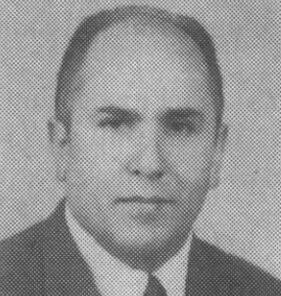
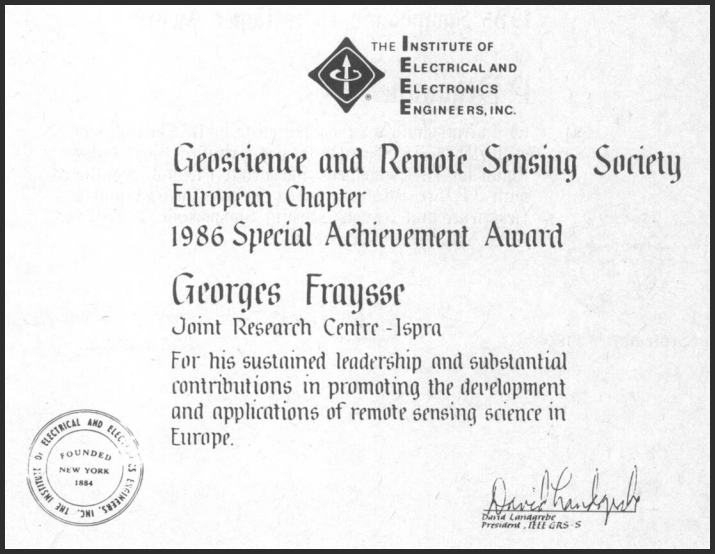
The Awards program continued to recognise the achievements of dedicated members and volunteers around the globe who contributed to the field and to the international work of GRSS. As an example, in 1986, GRSS European Chapter Special Achievement Award was presented to George Fraysse, “for his sustained leadership and substantial contributions in promoting the development and applications of remote sensing science in Europe.” Georges Fraysse was a pioneering figure in European remote sensing. As the head of remote sensing activities at the European Commission Joint Research Centre (JRC) in Ispra, Italy, he played a vital role in establishing satellite remote sensing methods for agriculture and hydrology in Europe.
Broadening Technical Scope of the Discipline
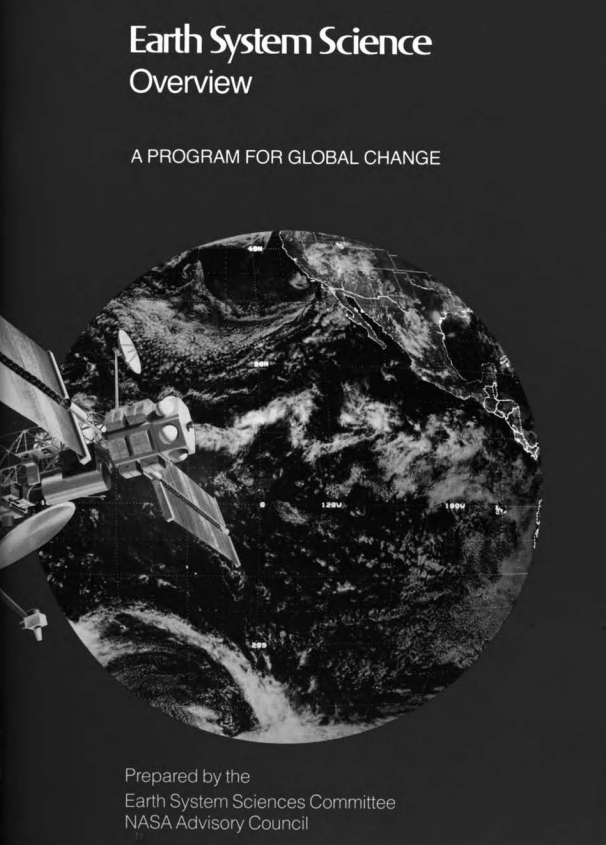
By the late 1980s, the focus of geoscience and remote sensing was shifting from regional resource surveys toward the systematic observation of the Earth as an integrated environmental system. This conceptual shift was strongly reinforced by NASA’s Earth System Science Overview: A Program for Global Change (1986), which articulated a coordinated satellite-based research agenda for understanding the Earth as a coupled system of atmosphere, oceans, land, and biosphere, and helped shape the scientific priorities that would guide global remote sensing research into the 1990s.
International scientific initiatives such as the International Geosphere-Biosphere Programme (IGBP), established in 1987-1988, identified satellite observations as essential for understanding global climate, land-cover change, ocean circulation, and biogeochemical cycles. At the same time, growing scientific concern over tropical deforestation, atmospheric ozone depletion, desertification, and climate variability increased demand for consistent, quantitative observations spanning continents and oceans rather than individual study sites.
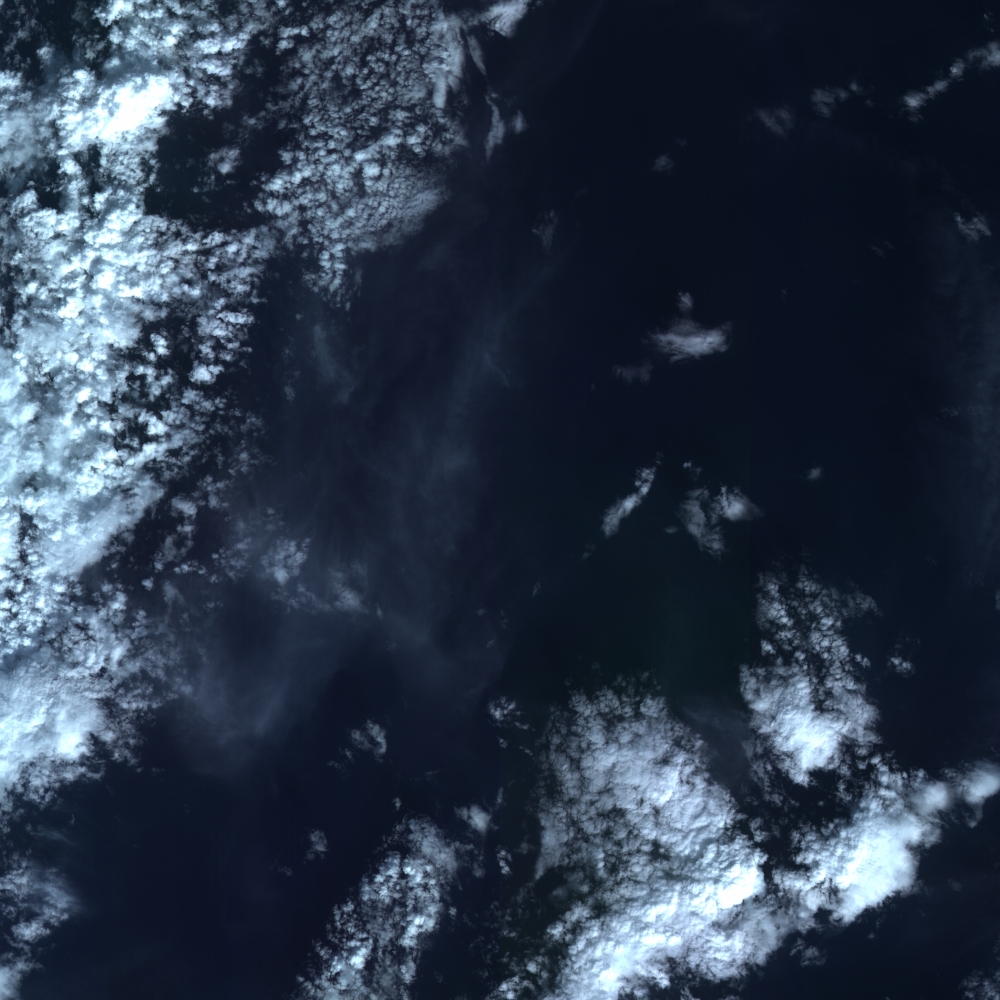
These scientific priorities coincided with a new generation of Earth-observing satellites. France’s SPOT-1, launched in 1986, introduced high-resolution multispectral imaging and along-track stereoscopic capabilities that expanded applications in topographic mapping, agriculture, and land-use analysis. Preparations for the European Remote Sensing Satellite (ERS-1), launched in 1991, stimulated extensive research in synthetic aperture radar, radar altimetry, scatterometry, and microwave remote sensing, while long-operating sensors such as NOAA’s AVHRR were increasingly used to produce continental and global vegetation, sea-surface temperature, and snow-cover products. These developments reflected a broader transition from experimental remote sensing toward sustained global environmental monitoring.
Legacy of the 1986 -1991 Period

The years from 1986 to 1991 marked the Society’s continued evolution from a growing technical organization to a mature international professional community. During this period, GRSS consolidated the organizational and technical advances of the previous decade while adapting to a rapidly changing field driven by new satellite systems, increasingly sophisticated analytical methods, and expanding international collaboration. By the beginning of the 1990s, the Society was well positioned to support the emerging era of global Earth observation, providing an established forum in which advances in remote sensing technology and geoscience applications could continue to evolve together.
Next month we will explore “The History of IEEE GRSS at 65 (1992-1999): Building the Modern GRS.”
Take a Closer Look:
- IEEE TRANSACTIONS ON GEOSCIENCE AND REMOTE SENSING (June 1991) “The Derivative Ratio Algorithm: Avoiding Atmospheric Effects in Remote Sensing,” by William Philpot.
- IEEE TRANSACTIONS ON GEOSCIENCE AND REMOTE SENSING (July 1990), Special Issue on IGARSS 1989.
- NASA’s Earth System Science Overview: A Program for Global Change (1986)