




By Kevin P. Corbley
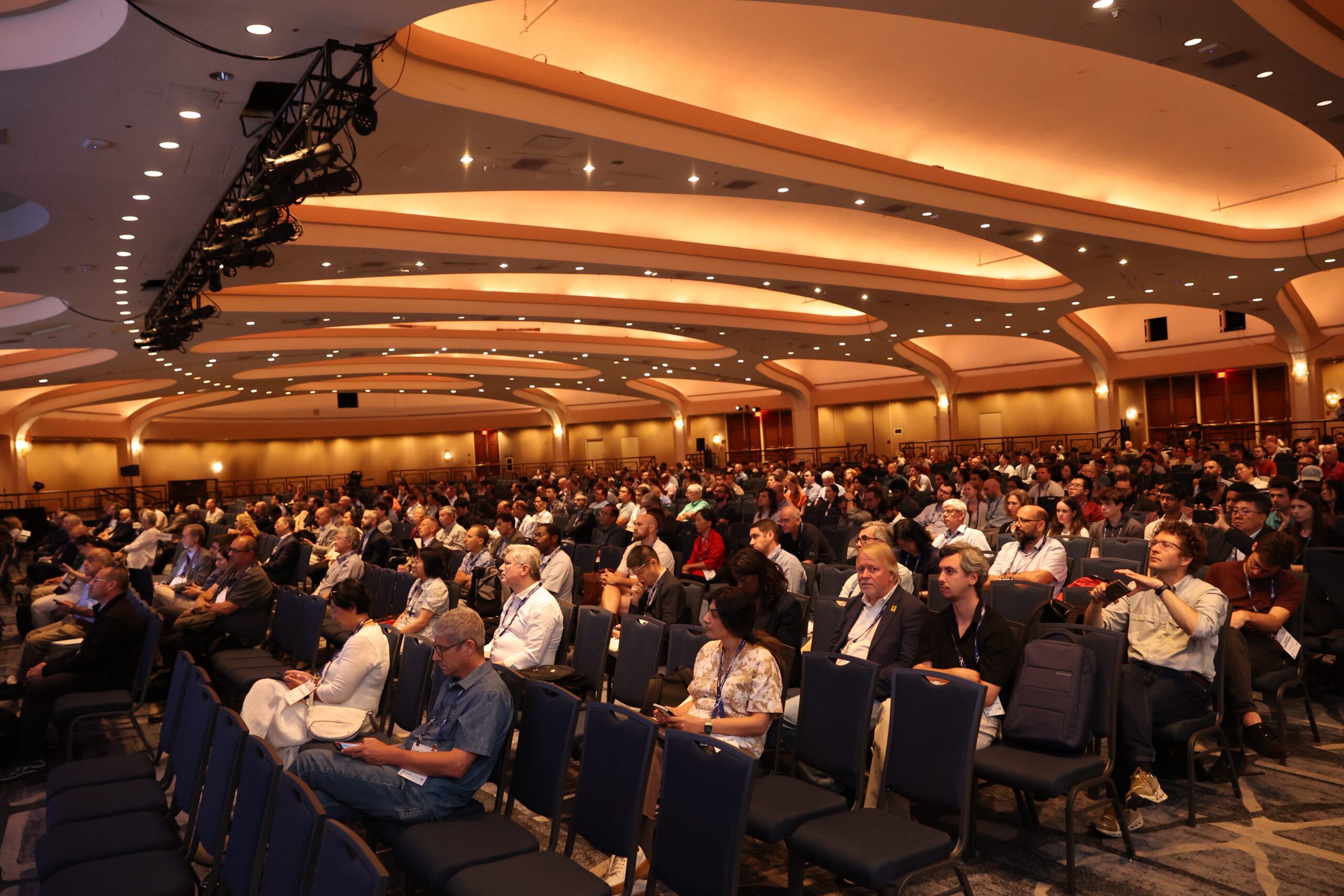 IGARSS 2026, the flagship event of the IEEE Geoscience and Remote Sensing Society (GRSS), kicked off with a Plenary Welcome Session on Monday morning, August 10, in Washington D.C. Attendees in the main ballroom were greeted by several speakers, including the three IGARSS General Chairs, who reiterated the official theme of this year’s conference by exhorting students, professors, and business professionals to look toward the future of our technologies and the planet Earth itself.
General Chair Liping Di, who is an IEEE Fellow and Founding Director of the Center for Spatial Information Science & Systems (CSISS) at George Mason University in Virgina, served as the Welcome Session moderator. He welcomed attendees to the U.S. Capital City and stated the theme of IGARSS 2026 – the Future of Earth Observation, noting that many IGARSS sessions would focus on using EO technologies to solve the challenges now facing our common planet.
The second Plenary welcome came from General Chair Mitch Goldberg, Distinguished Research Professor at City College of New York and NOAA Center for Earth Systems Sciences and Remote Sensing Technologies (CESSRST). He reminded students in attendance that NOAA has many internship opportunities for young people to advance both their academic and professional careers.
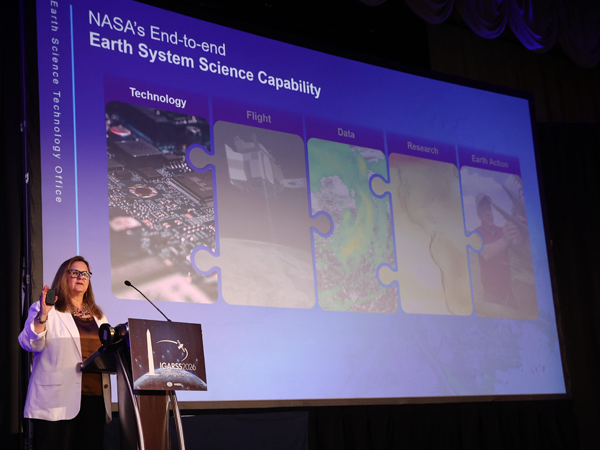
The third General Chair was Michael Seablom, Associate Director for Technology of the NASA Earth Science Division in Washington D.C., who emphasized the next decade will be transformative for geoscience and remote sensing technologies. With that in mind, Seablom asked attendees to look at technology being presented now and try to think about how it can be used in the future. And more importantly, what technologies will we need to solve future problems. He challenged attendees to ask themselves: What will define the next generation of Earth observation?
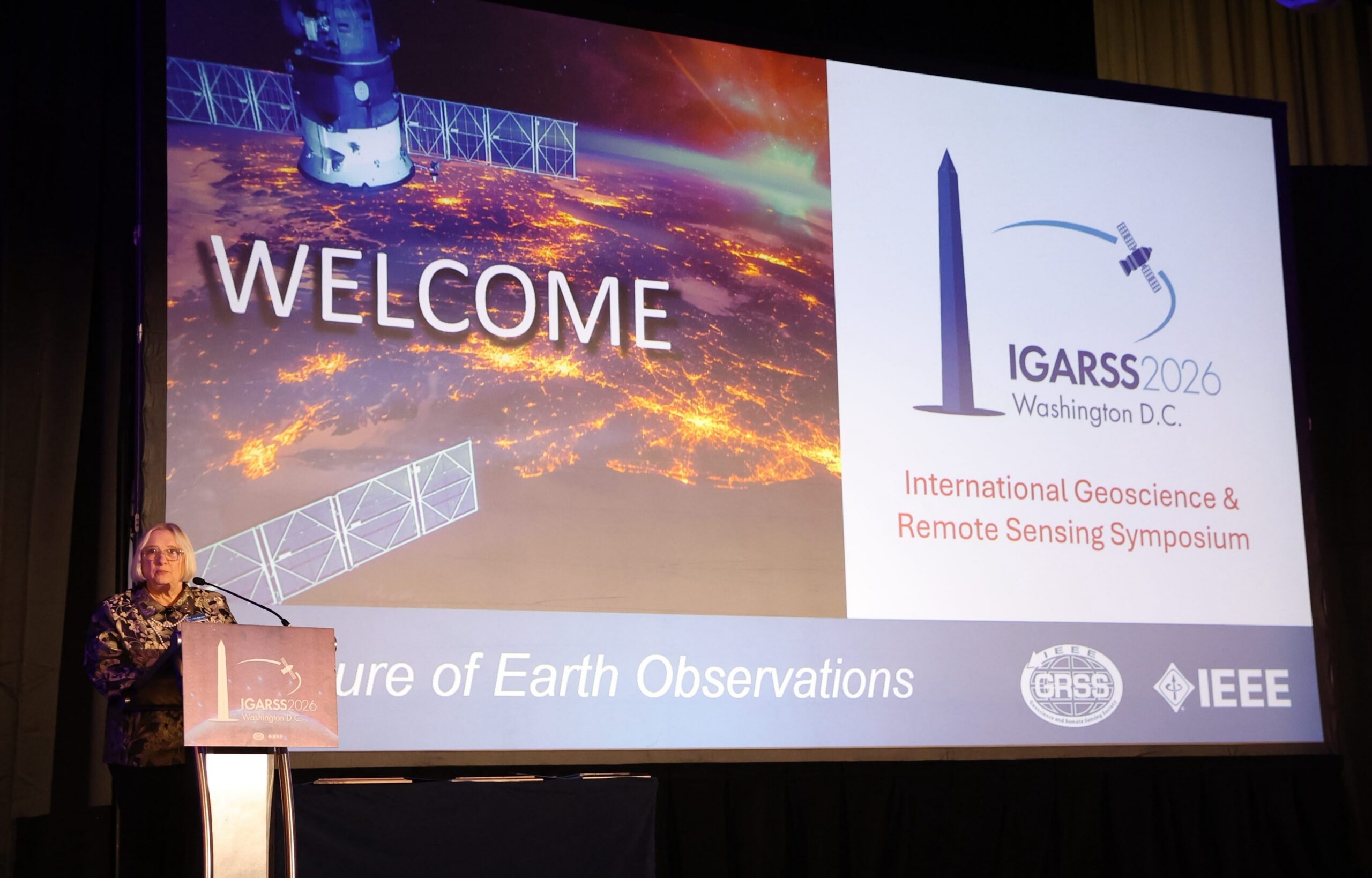 IEEE President Mary Ellen Randall took the stage next. Leaning on her background with IBM and as founder/CEO of a mobile delivery software company, Randall asked attendees to “lead with heart, serve with purpose.” She reminded everyone that although our profession is built on technology and innovation, our work is really about helping people. She challenged attendees to make serving people the purpose of their efforts.
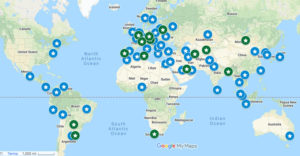
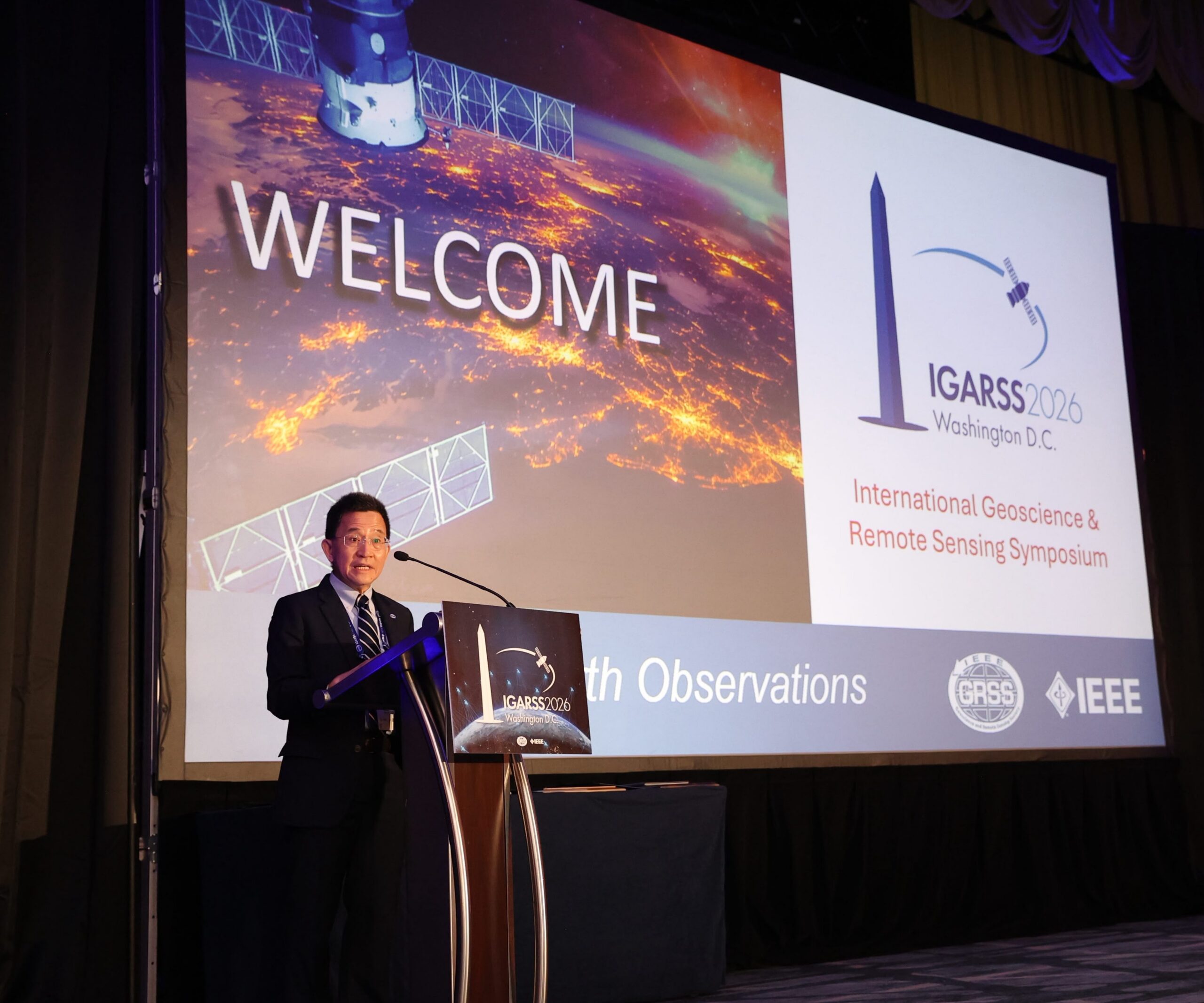 In the final Welcome address, GRSS President Prof. Saibun Tjuatja from the Electrical Engineering Department at University of Texas Arlington, picked up on Mary Ellen Randall’s comments and exhorted attendees to focus on actions that benefit humanity. “The possibilities are enormous,” he said, adding that GRSS has grown to more than 220 chapters internationally, a globally rich organization. Before leaving the stage, Prof. Tjuatja challenged everyone to meet someone new at this year’s IGARSS.
As is tradition, the Welcome portion of the IGARSS Plenary session concluded with recognition of IEEE Fellows and presentation of GRSS Major Awards. These presentations were moderated by Prof. Leung Tsang from University of Michigan who served as Chair of the GRSS Major Awards Committee.
Five individuals were honored as IEEE Fellows:
- Prof. Jun Zhou of Griffith University in Brisbane, Australia
- Prof. Jie Shan of Purdue University in Indiana, USA
- Prof. Xin Li of the Institute of Tibetan Plateau Research in China
- Prof. Konrad Schindler of ETH Zurich in Switzerland
- Prof. David Clausi of University of Waterloo in Canada
GRSS bestowed major awards to four individuals:
- IEEE GRSS Fawwaz Ulaby Distinguished Achievement Award – Prof. Jon Atli Benediktsson from University of Iceland
- IEEE GRSS Outstanding Service Award – Prof. Xiuping Jia from University of New South Wales in Australia
- IEEE GRSS Education Awad – Prof. Jade Morton from University of Colorado Boulder, USA
- GRSS Honorary Life Member – Prof. Kamal Sarabandi from University of Michigan, USA