









By Kevin P. Corbley
Eight Tips for More Effective and Impactful Presentations
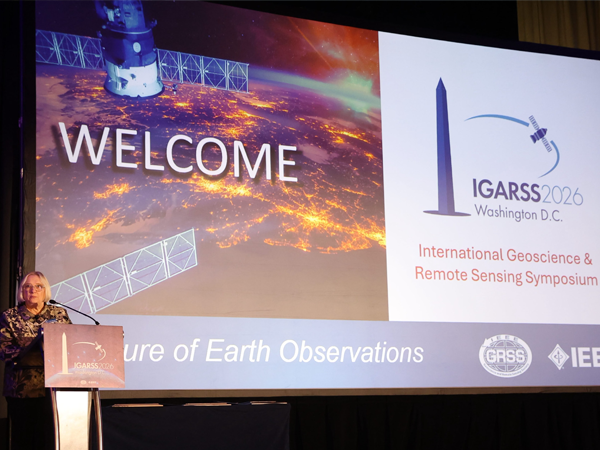
 Young Professional (YP) events were impressive once again this year at IGARSS. Among the most important of the YP training sessions was the Presentation Skills Workshop led for the fourth year by Brian Brophy, Director of Theater at Caltech and Story Coach at NASA JPL. The goal of his workshops is to teach young engineers and scientists to present their research accurately and memorably.
In creating the interactive workshop, Brophy leverages his 25-year career in acting, which included appearances in Star Trek: The Next Generation and The Shawshank Redemption, to combine practical presentation techniques with storytelling and performance skills. He leans heavily on storytelling methods to help workshop attendees learn how to deliver complex scientific ideas in a clear and compelling manner.
 Brophy covered numerous presentation topics, big and small, during the workshop, but these are some of the most important tips for communicating effectively and giving a great presentation.
Show Your Passion – Like artists, scientists and engineers become passionate and proud of their work. Let the audience see this by being enthusiastic when describing your research. Audiences respond better to your presentation when they know you are genuinely excited about your topic. As the old saying goes: People don’t care how much you know until they see how much you care.
Be Authentic – People can spot a phony a mile away. Let the real you come out in your presentation. Following from the point about Passion above, get excited about your successes, but don’t shy away from being honest about the failures too. One of the most important aspects of being authentic is not trying to imitate someone else. It may take a few attempts but aim to develop your own voice and delivery style.
Practice Reflexivity – Don’t stick too rigidly to the script in your head or notes on your slides. Be ready to adapt to the audience. Take time to pause and see how the audience is responding to what you’re saying. As is often the case with a very diverse audience, you may have to slow down or even take extra time explaining some things if you get the sense attendees are having trouble following what you’re saying. Watch their facial expressions and look out for fidgety body language that could signal unease. Change your pace accordingly.
Be Intentional – Another way of helping your audience connect with you is to know what your own intentions are for giving the presentation in the first place. If you’re doing it only because it’s a requirement, people will see that, but if your objective is to enlighten and educate the attendees, they will appreciate it much more.
Pre-Engage with Attendees – One of the best ways to engage your audience – and calm your own jitters – is to interact with attendees before the session even starts. Stand at the door and greet people as they come in, asking people where they are from if possible. Building a relationship right from the start makes everyone more comfortable.
Use Humor – A funny anecdote or comment helps people open up. And don’t be afraid to laugh at yourself with a bit of self-deprecation; it makes you more credible.
Stay Hydrated – Keep a glass of water or water bottle handy on the podium. Nerves can dry out your throat. Avoid clearing it (which is an ugly sound!) by taking frequent sips of water. This also helps insert strategic pauses into your presentation to give the audience a chance to digest your information.
Take Next Year’s Workshop – Brian Brophy is already making plans for another Presentation Skills Workshop at IGARSS 2027 in Iceland. And the YP Committee is reserving a bigger room for next year’s training!